
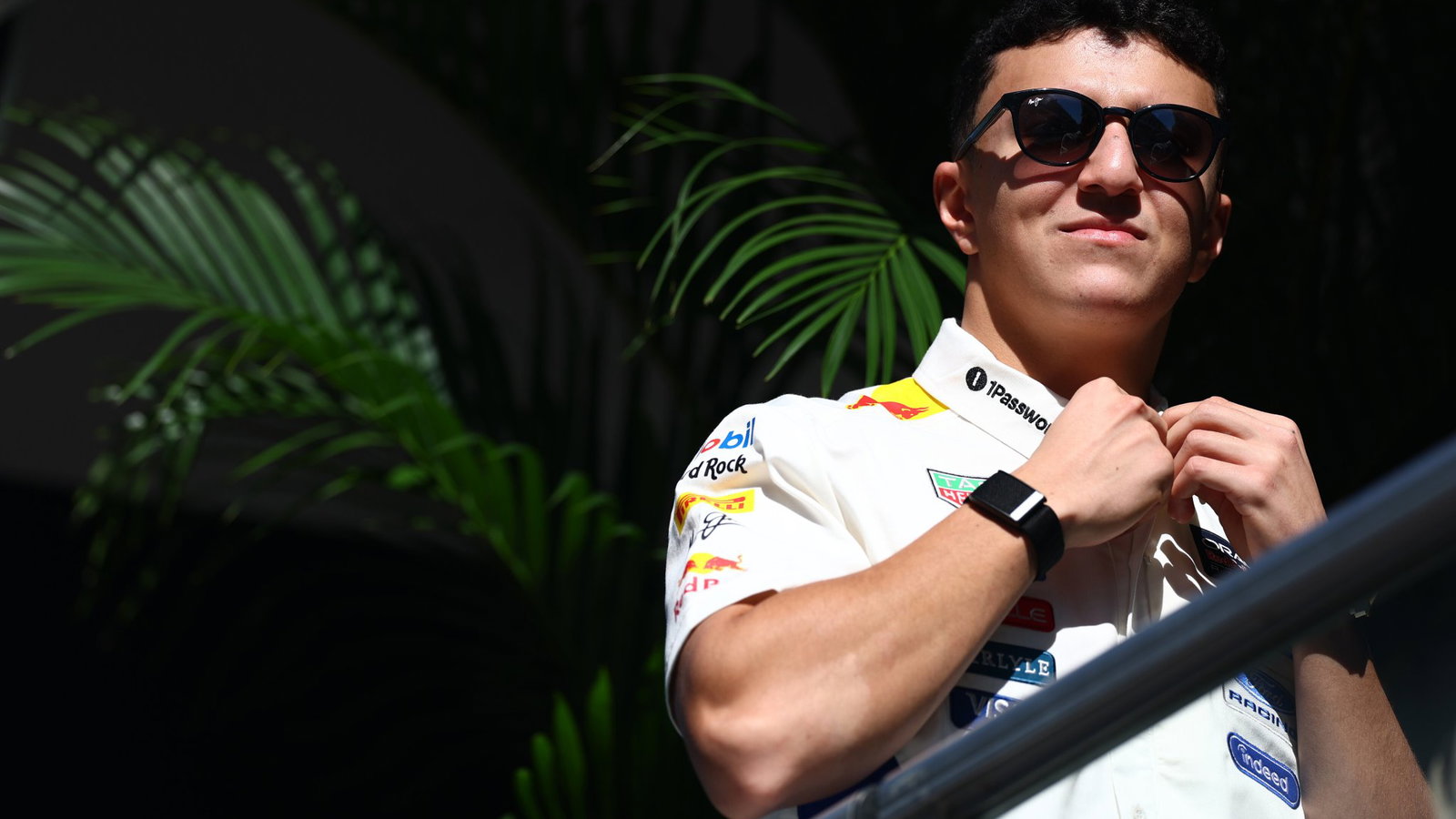
Isack Hadjar has been blasted for his radio outburst against his Red Bull Formula 1 team at the United States Grand Prix.
The 22-year-old Frenchman was left highly frustrated with his Red Bull after encountering several issues during last weekend’s race in Austin.
Key Developments in Isack Hadjar slated by
Having recovered from what he branded as being a “disaster” of a weekend to qualify on the second row of the grid in third, Hadjar immediately dropped places off the line with a poor start.
Hadjar aired his frustrations over team radio, blaming Red Bull’s clutch for wrecking his race as he ultimately finished sixth.
Post-Match Reactions and Strategic Impact
Adding to Hadjar’s annoyance, he also encountered issues with his radio that made communicating with his engineers harder than usual.
As a result, Hadjar rejoined the track on the wrong setting following his pit stop, rubbing more salt into the wounds.
After the race, Hadjar told Sky Sports F1: “You know, I do everything perfectly in terms of procedure, and then I just have clutch over delivery. These things are just out of my control. It’s starting to piss me off, you know.
“And then I have poor radio coverage. I can’t hear what’s happening in the pits. I leave the pits with the wrong map.”
Hadjar went on to demand that Red Bull redesigns its clutch.
“It needs a redesign. That’s it. The clutch, it needs a redesign because at the moment it’s too fragile. It’s not coping well with temperatures. Yeah, it’s a real struggle,” he added.
Hadjar’s comments did not impress former F1 driver Ralf Schumacher, who believes the Red Bull youngster can count himself lucky that Helmut Marko is no longer at the team.
“I wouldn’t exactly call it a lack of decency, but it is not behaviour that you should display in this way,” Schumacher told the Backstage Boxengasse podcast.
“Actually, it is a shame that Dr Helmut Marko is no longer at the team, because I think he would absolutely have drawn a line there. I don’t think this should happen.”
Hadjar's team-mate Max Verstappen was also left frustrated as he finished third in Austin.
Lewis regularly attends Grands Prix for Crash.net around the world. Often reporting on the action from the ground, Lewis tells the stories of the people who matter in the sport.
Paddock Telemetry and Tyre Performance in Isack Hadjar slated by
Technical data from this Formula 1 Grand Prix highlights the decisive impact of compound management and aerodynamic balance. Cars operating in turbulent dirty air experienced accelerated surface degradation, forcing pit crews to remain flexible with tyre strategy throughout the stint.
Strategic execution during safety car intervals and virtual safety car deployments created pivotal tactical swings, rewarding teams with the adaptability to optimize sector deltas under fluctuating track conditions.
Constructors Standings and Development Pipeline
With subsequent race weekends rapidly approaching, engineering units will focus on wind tunnel correlations and power unit optimization to sustain championship contention at the pinnacle of motorsport.